The Role of Small and Medium Enterprises (SMEs) in Achieving Vision 2030 and an Upper Middle-Income Society
Date: June 2026
Fellow Zimbabweans,
As our nation advances towards the attainment of Vision 2030, which seeks to transform Zimbabwe into an upper middle-income society, the role of Small and Medium Enterprises (SMEs) has become increasingly critical. SMEs are not merely a component of our economy; they are the backbone of economic transformation, employment creation, innovation, wealth generation, and inclusive development.
The Second Republic, under the leadership of His Excellency, the President of the Republic of Zimbabwe, Emmerson Dambudzo Mnangagwa, has consistently emphasized the importance of empowering citizens to participate meaningfully in economic activities. SMEs provide the most effective vehicle through which ordinary Zimbabweans can become active participants in the economy and contribute directly to national development.
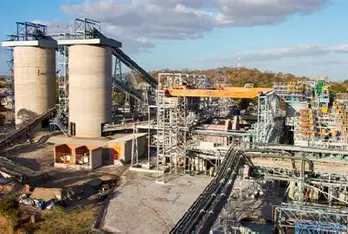
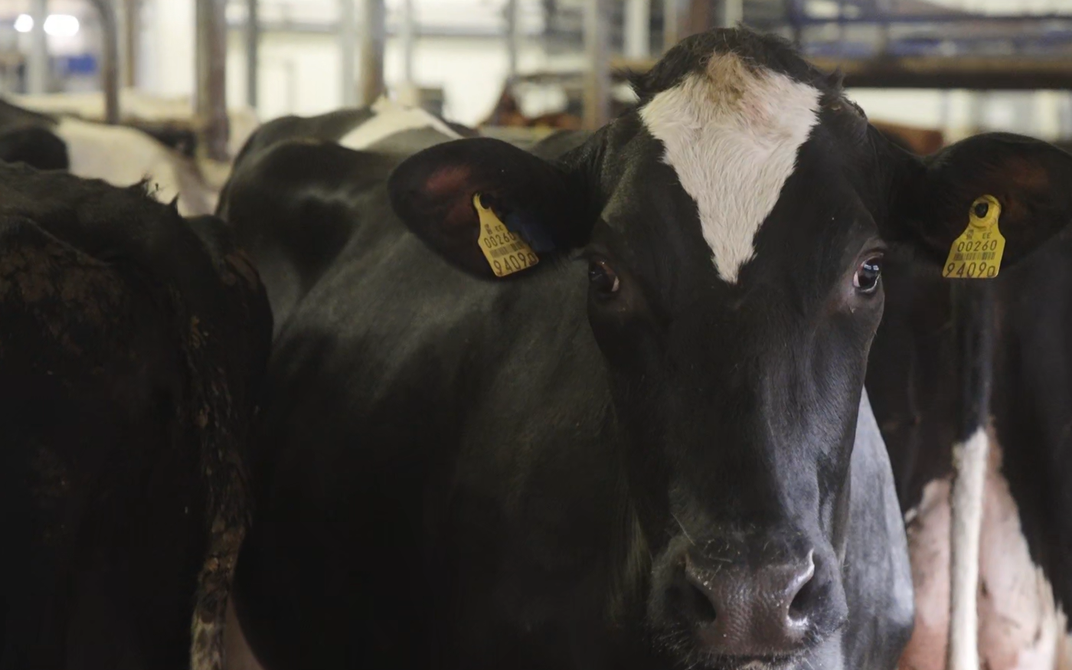
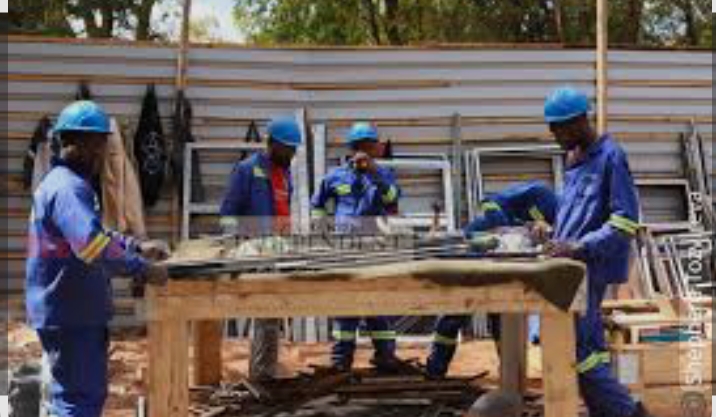
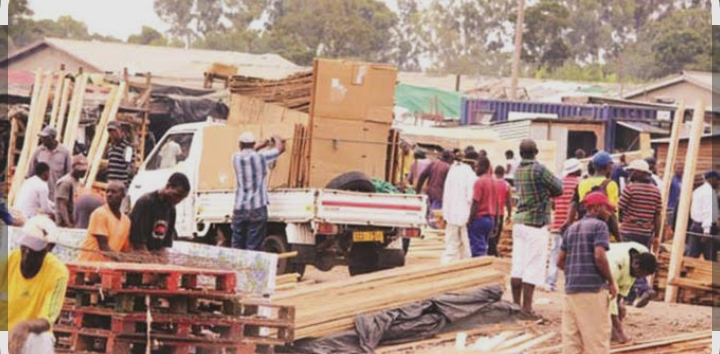
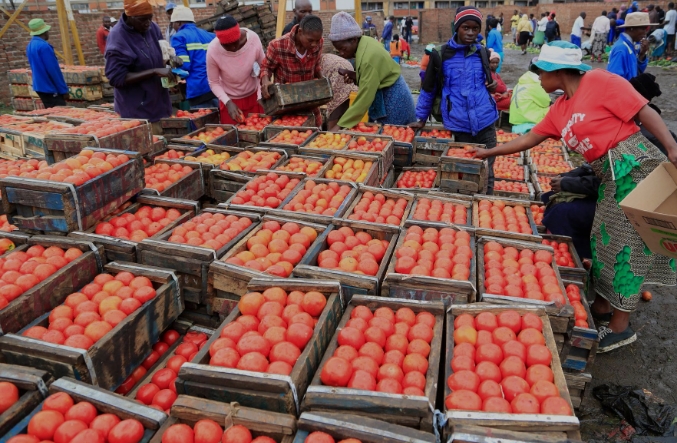
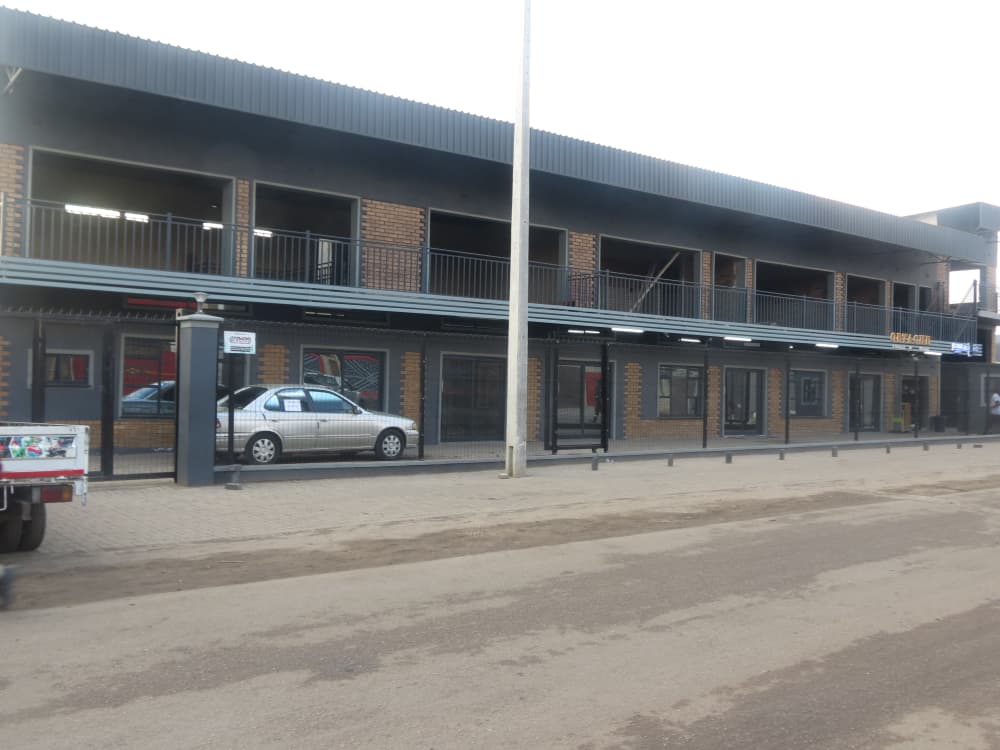
Today, SMEs account for a significant proportion of economic activity across agriculture, mining, manufacturing, tourism, transport, construction, retail, and the services sector. They have demonstrated remarkable resilience and innovation, often operating under challenging conditions while continuing to create employment opportunities and sustain livelihoods for millions of Zimbabweans.
The journey towards an upper middle-income society requires economic growth that is inclusive, broad-based, and citizen-driven. SMEs are uniquely positioned to achieve this objective because they:
1. Create Employment and Reduce Poverty
SMEs are among the largest employers in Zimbabwe. By expanding entrepreneurial opportunities, they absorb labour, particularly among youth and women, thereby reducing unemployment and poverty levels. Sustainable employment is fundamental to raising household incomes and improving living standards.
2. Promote Economic Empowerment
Economic empowerment remains a central pillar of Zimbabwe's development agenda. SMEs enable indigenous Zimbabweans to own productive assets, build enterprises, accumulate wealth, and participate in national economic growth. Through entrepreneurship, citizens become creators of wealth rather than merely consumers.
3. Drive Industrialisation and Value Addition
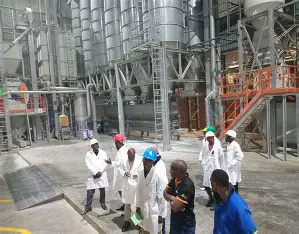
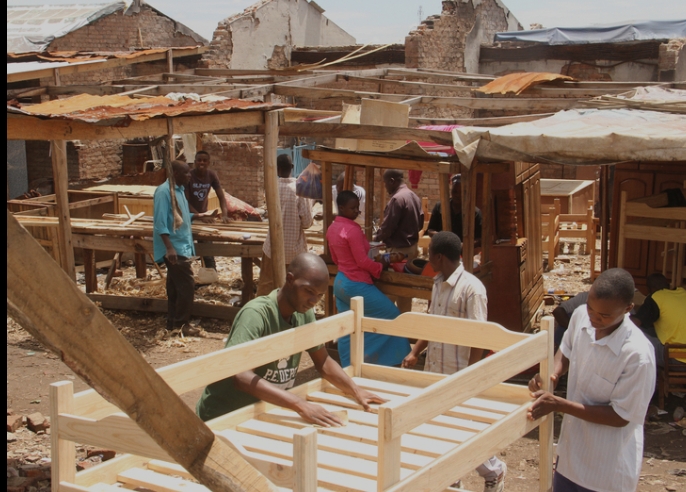
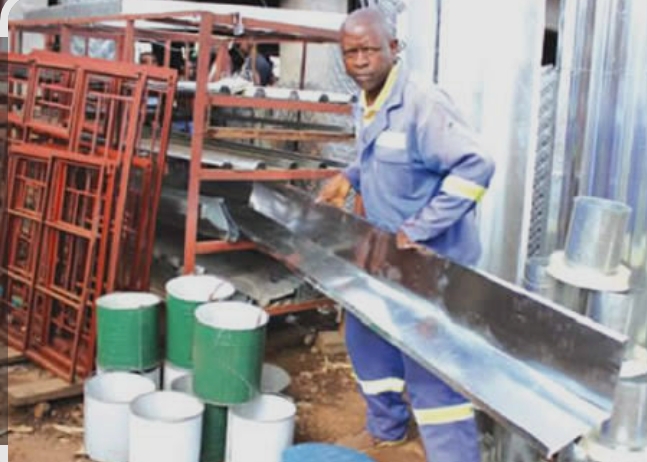
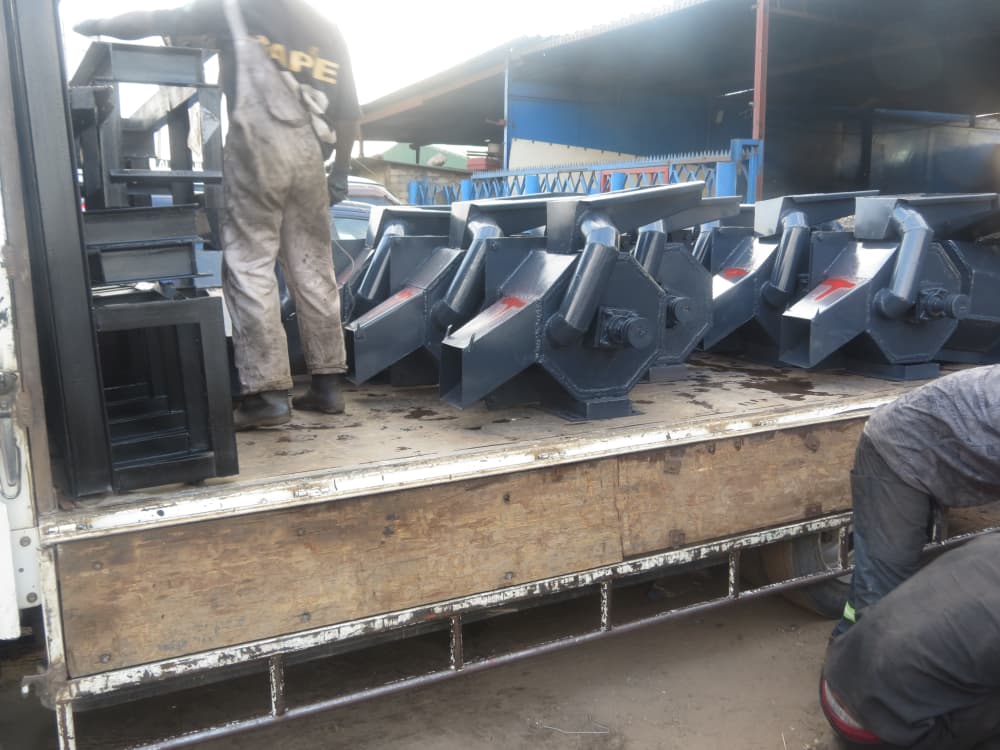
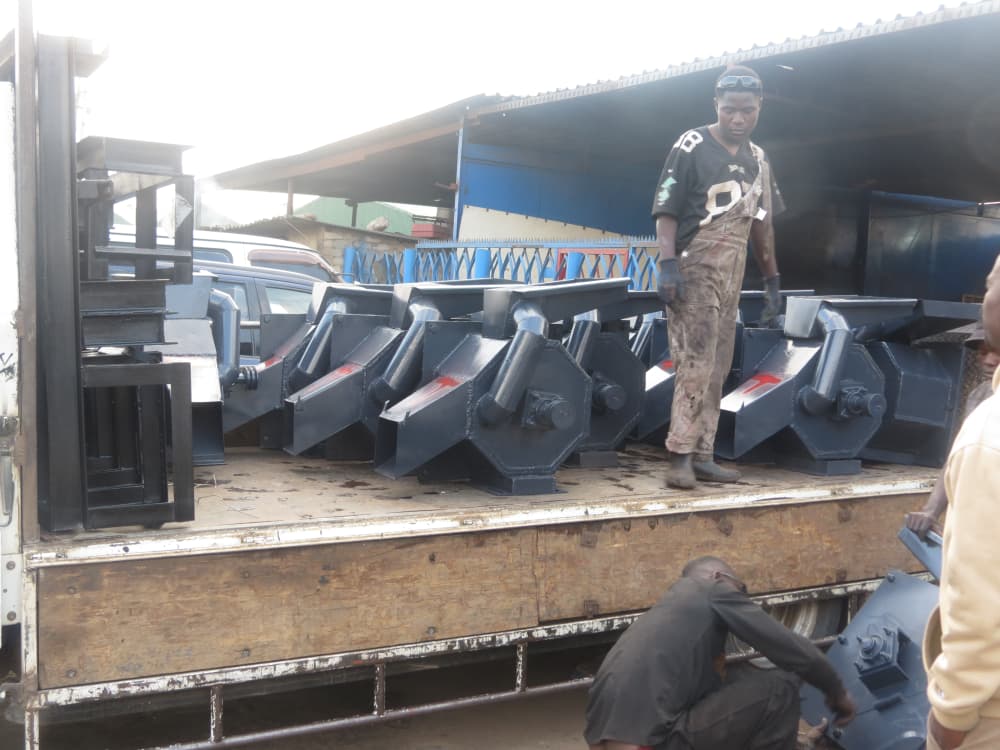
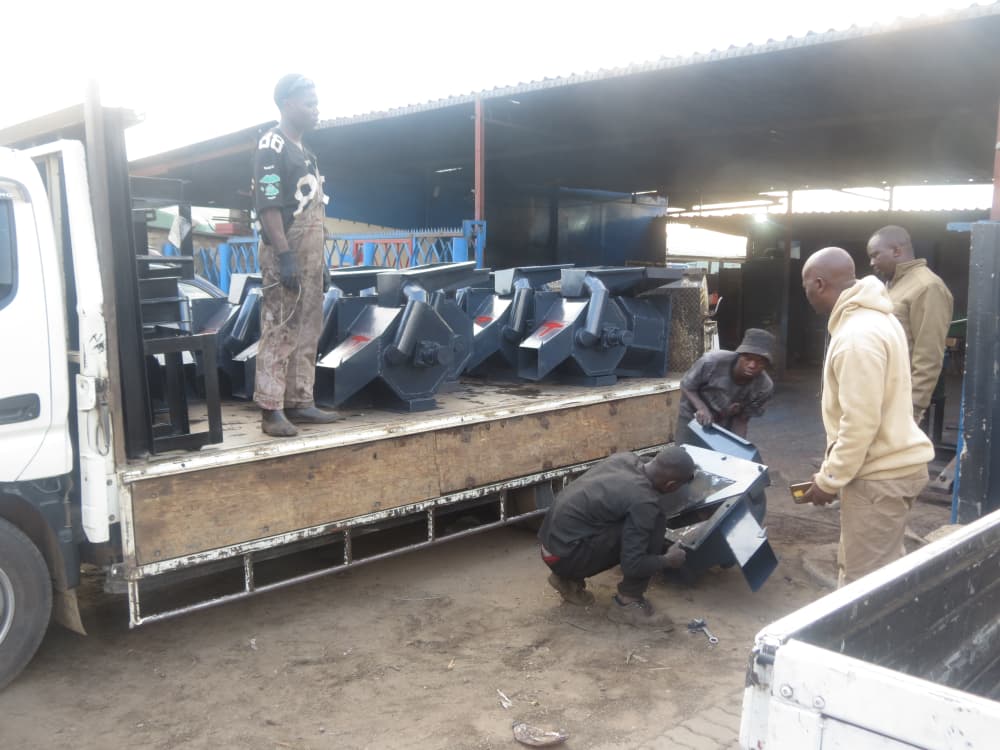
The future of Zimbabwe's economy lies in value addition and beneficiation. SMEs have a vital role in processing agricultural produce, minerals, timber, and other local resources into finished products. This contributes to industrialisation, export growth, and increased national revenue.
4. Support Rural Industrialisation
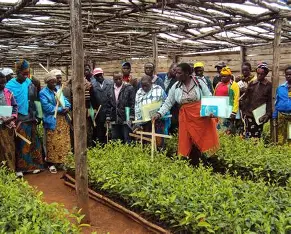
The President's policy of leaving no one and no place behind can be accelerated through SME development. Rural-based enterprises create economic opportunities closer to communities, reducing migration pressures while promoting balanced regional development.
5. Enhance Innovation and Competitiveness
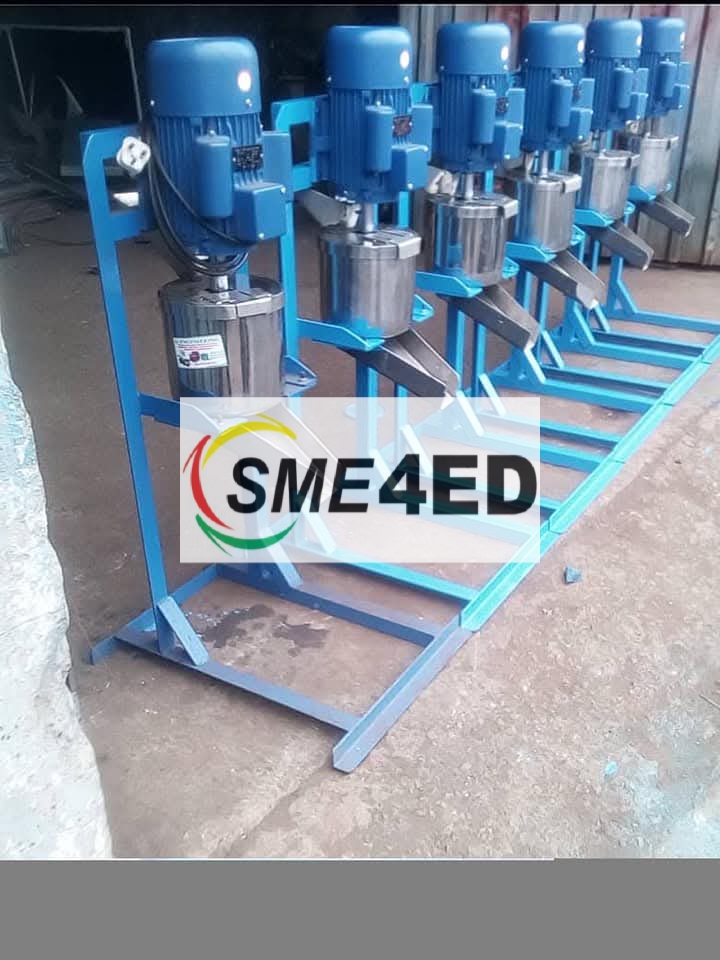
SMEs are often more agile and innovative than larger corporations. They respond quickly to market opportunities and drive technological adaptation. A vibrant SME sector strengthens national competitiveness and contributes to economic diversification.
6. Expand the Tax Base and Formal Economy
As SMEs grow and formalise their operations, they contribute to national revenue through taxation and regulatory compliance. Formalisation enhances access to finance, markets, technology, and government support programmes while strengthening overall economic governance.
Strategic Imperatives for SME Growth
To maximise the contribution of SMEs towards Vision 2030, several strategic interventions remain essential: Improved access to affordable financing and capital; Strengthening business incubation and enterprise development programmes; Enhanced market access locally, regionally, and internationally; Increased adoption of technology and digital transformation; Skills development and entrepreneurial training; Promotion of value chains and industrial clusters; Formalisation and regulatory support; Increased participation of women, youth, war veterans, and persons with disabilities in productive economic activities.
The Role of ZANU PF
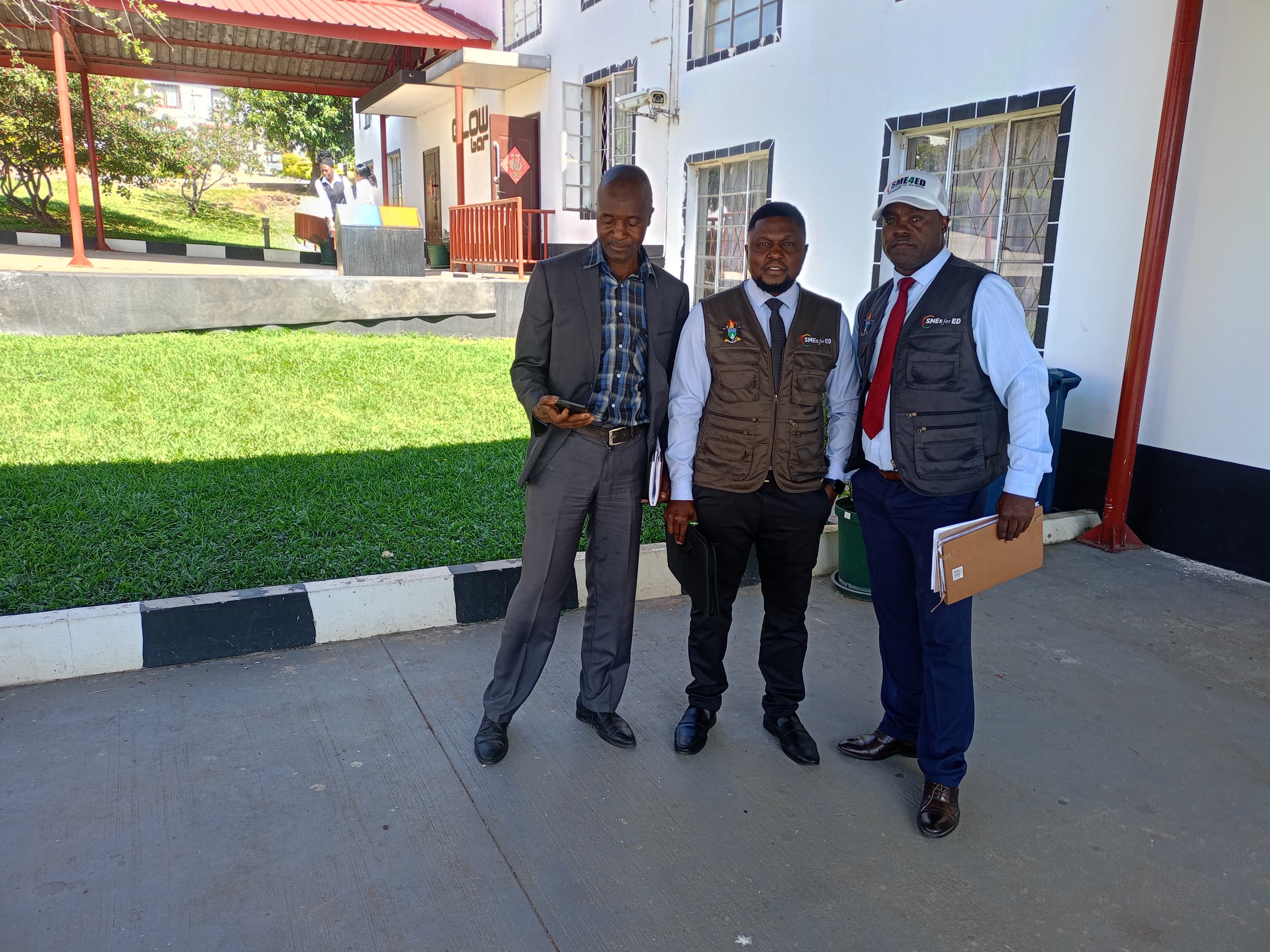
As guided by its constitutional mandate, ZANU PF remains committed to promoting economic empowerment and ensuring that the previously disadvantaged majority become active participants in the economy. The Party's Department of Economic Development and Empowerment will continue to work closely with Government, industry, financial institutions, and communities to create an enabling environment for SME growth.
The empowerment of SMEs is not simply an economic objective; it is a national imperative. Strong SMEs mean stronger communities, stronger families, increased employment, greater production, and ultimately a stronger Zimbabwe.
Conclusion
The attainment of an upper middle-income society by 2030 will not be achieved through Government action alone. It requires the active participation of entrepreneurs, innovators, farmers, miners, manufacturers, women, youth, and all productive citizens. SMEs are the engine that will drive this transformation.
As Zimbabwe moves forward under Vision 2030, let us continue to support, nurture, and empower SMEs as a cornerstone of national development, economic sovereignty, and inclusive prosperity.
"Nyika Inovakwa Nevene Vayo – Ilizwe Lakhiwa Ngabanikazi Balo."
Cde Francis Hungwe
Director for Economic Development and Empowerment
ZANU PF
June 2026